
Fracture Fixation Surgery
Fracture fixation is a surgical procedure used to stabilize and align broken bones so they can heal properly. While some fractures can be treated with casts or braces, complex, displaced, unstable, or multiple fractures often require surgical fixation to restore normal bone structure and function. The goal of fracture fixation is to reduce pain, promote faster healing, restore mobility, and prevent long-term complications such as deformity or loss of function.
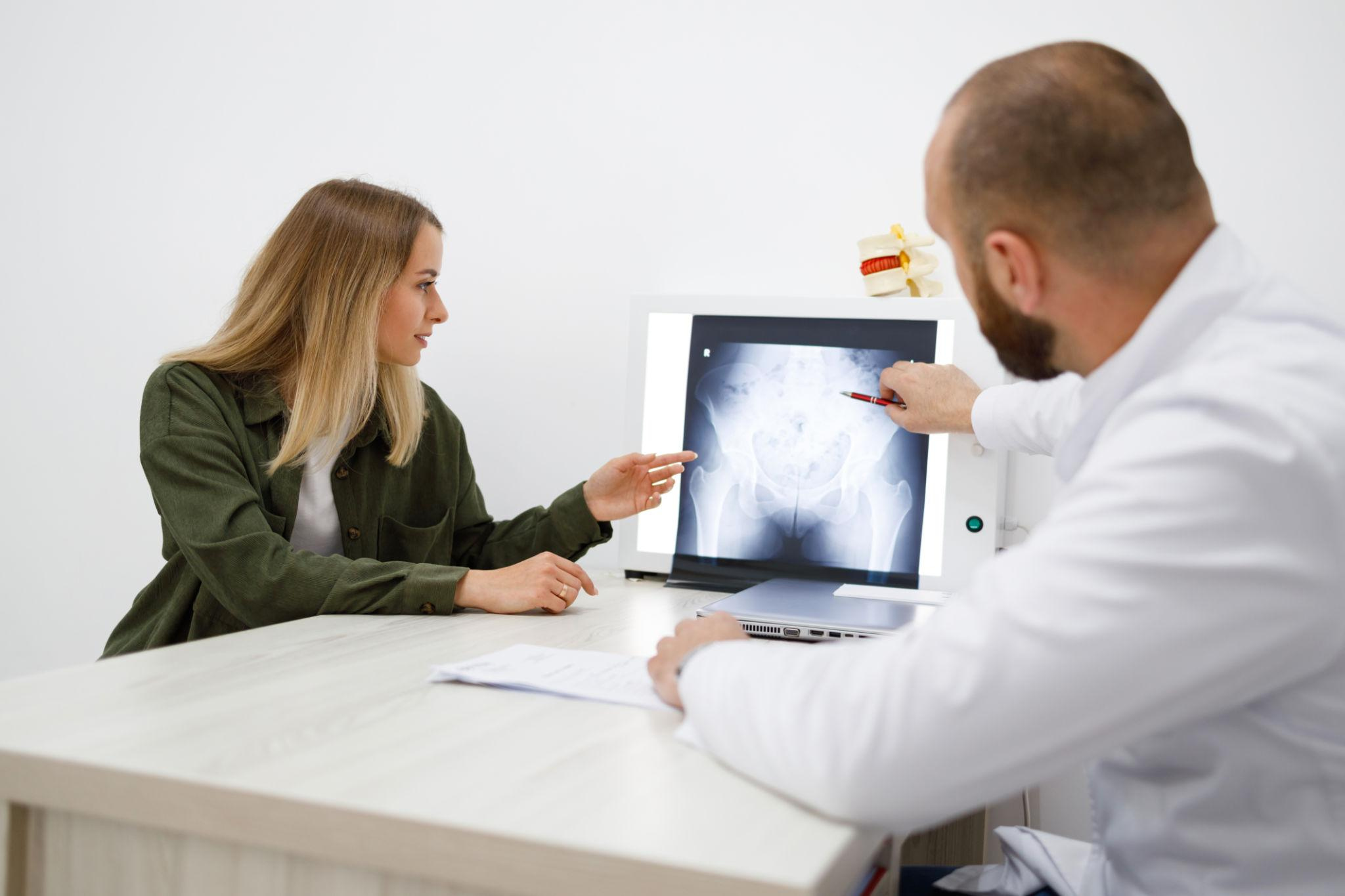
Modern fracture fixation techniques use advanced implants such as plates, screws, rods, wires, and external fixation devices to hold the broken bone fragments in the correct position during the healing process. Depending on the type, location, and severity of the fracture, an orthopedic surgeon will recommend the most suitable fixation method after a detailed clinical and radiological evaluation.
Internal Fixation Surgery
Internal fixation is one of the most commonly performed fracture treatment procedures. In this technique, the surgeon repositions the fractured bone fragments and secures them using implants placed inside the body. These implants may include plates, screws, rods, or pins depending on the fracture pattern and location.
Internal fixation provides excellent stability, allowing bones to heal in proper alignment. It often enables patients to begin controlled movement earlier than traditional casting methods, reducing stiffness and improving overall recovery outcomes. Internal fixation is commonly used for fractures involving the arms, legs, hips, ankles, wrists, and shoulders.
Plate and Screw Fixation
Plate and screw fixation is recommended for fractures where precise alignment and rigid stabilization are required. During the procedure, specially designed metal plates are positioned along the surface of the fractured bone and secured using surgical screws.
This technique is particularly effective for fractures near joints and in bones that require accurate anatomical restoration. Plate fixation helps maintain bone alignment throughout the healing process and allows patients to regain strength and function more effectively. The implants are biocompatible and are designed to remain in place unless removal becomes necessary.
Intramedullary Nailing
Intramedullary nailing is a minimally invasive fracture fixation technique commonly used for long bone fractures such as those involving the femur, tibia, or humerus. In this procedure, a metal rod is inserted into the central canal of the bone to stabilize the fracture internally.
The nail acts as an internal support structure that shares the body’s weight and helps maintain proper alignment during healing. Because the procedure requires smaller incisions and minimal soft tissue disruption, patients often experience faster recovery, reduced pain, and earlier mobilization compared to traditional open surgical methods.
External Fixation Surgery
External fixation is used for severe fractures, open fractures, or cases involving significant soft tissue injury. In this procedure, metal pins or screws are inserted into the bone through the skin and connected to an external frame outside the body.
External fixation provides immediate stabilization while allowing access to damaged soft tissues for wound care and monitoring. It is frequently used as a temporary or definitive treatment option for complex trauma cases. This method helps maintain alignment and supports healing while minimizing additional surgical trauma to the injured area.
Hip Fracture Fixation
Hip fracture fixation is commonly performed in elderly patients and individuals who sustain high-impact injuries. Depending on the fracture type and bone quality, fixation may be achieved using screws, dynamic hip screws, intramedullary nails, or specialized fixation devices.
The primary goal of hip fracture fixation is to restore stability, reduce pain, and enable early mobilization. Prompt surgical treatment is essential to prevent complications associated with prolonged immobility and to improve overall recovery and quality of life.
Wrist Fracture Fixation
Wrist fractures, particularly distal radius fractures, often require surgical fixation when the bone fragments are displaced or unstable. The procedure typically involves the use of plates, screws, or pins to restore normal wrist anatomy.
Accurate fixation helps preserve wrist movement, grip strength, and hand function. Modern fixation techniques allow patients to begin rehabilitation earlier, leading to improved functional outcomes and reduced risk of long-term stiffness or deformity.
Ankle Fracture Fixation
Ankle fracture fixation is recommended when the fracture affects joint stability or causes significant displacement of the bone fragments. During surgery, plates and screws are used to realign and stabilize the fractured bones.
Proper fixation of ankle fractures is crucial to restore normal joint mechanics and prevent future complications such as arthritis, chronic pain, or instability. Following surgery, patients undergo a structured rehabilitation program to regain strength, balance, and mobility.
Recovery After Fracture Fixation
Recovery after fracture fixation depends on factors such as the type of fracture, patient age, bone quality, and overall health condition. Most patients begin rehabilitation exercises under medical supervision to improve strength, flexibility, and joint movement.
Regular follow-up visits and imaging studies help monitor bone healing and ensure successful recovery. With proper treatment and rehabilitation, fracture fixation surgery allows patients to return to their daily activities, work, and sports with restored function and confidence.
Interventions
Important Links
Contact Us
Room No: 338, 3rd Floor
Yasodha Hospital
Somajiguda, Hyderabad.
+91 9456002345
drtdrreddy@gmail.com