
Elbow Fracture

An elbow fracture refers to a break in one or more of the bones forming the elbow joint, including the humerus, radius, or ulna. These injuries commonly occur following falls, sports injuries, road traffic accidents, or direct trauma to the elbow.
Symptoms include severe pain, swelling, bruising, deformity, and difficulty moving the elbow. Some fractures may require only immobilization, while displaced or unstable fractures often need surgical fixation using plates, screws, or pins to restore normal joint function.
Prompt diagnosis and treatment are essential to prevent stiffness and regain full movement of the elbow.
Elbow Dislocation
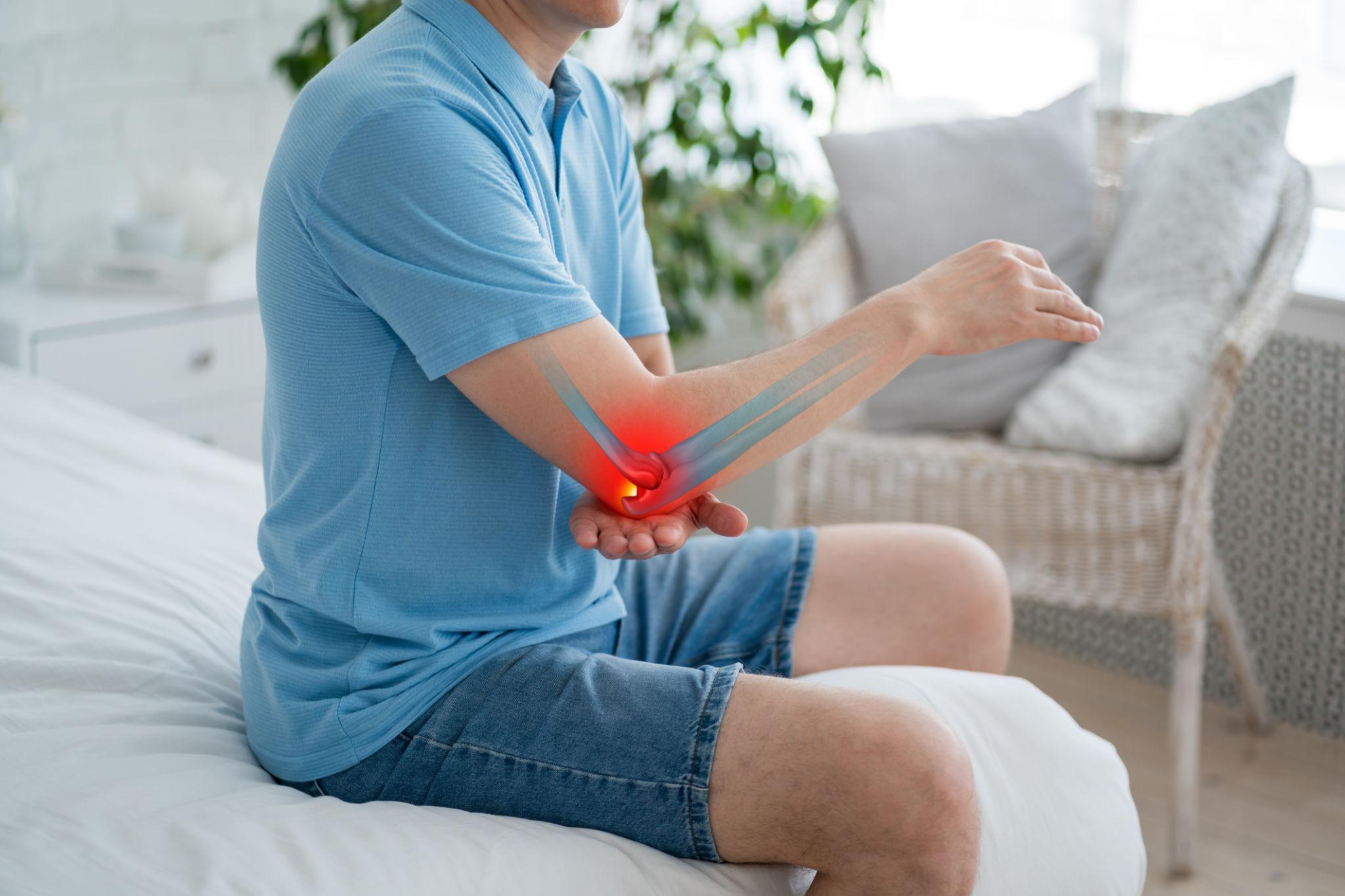
Elbow dislocation occurs when the bones of the forearm move out of their normal position in relation to the upper arm bone. It is the second most common large joint dislocation after the shoulder.
Patients usually experience intense pain, visible deformity, swelling, and inability to move the joint. Treatment typically involves immediate reduction of the dislocated joint followed by immobilization and rehabilitation.
Complex dislocations associated with fractures or ligament injuries may require surgical intervention to restore stability.
Tennis Elbow (Lateral Epicondylitis)

Tennis elbow is a common condition caused by overuse of the tendons attached to the outer part of the elbow. Despite its name, it affects not only athletes but also individuals performing repetitive wrist and arm movements.
Symptoms include pain and tenderness on the outside of the elbow, weakened grip strength, and discomfort while lifting objects.
Most patients improve with rest, physiotherapy, medications, injections, and activity modification. Persistent cases may require minimally invasive surgical treatment.
Golfer’s Elbow (Medial Epicondylitis)

Golfer’s elbow involves inflammation or degeneration of the tendons attached to the inner side of the elbow. Repetitive gripping, throwing, and wrist flexion activities are common causes.
Patients often complain of pain along the inner elbow, stiffness, weakness, and difficulty performing routine activities.
Conservative treatment options include physiotherapy, medications, braces, and injections. Surgery is considered only when symptoms persist despite adequate non-operative treatment.
Elbow Arthritis

Elbow arthritis develops when the protective cartilage covering the joint surfaces gradually wears away. It may occur due to aging, previous injuries, rheumatoid arthritis, or chronic overuse.
Common symptoms include pain, swelling, stiffness, reduced range of motion, and difficulty performing daily activities.
Treatment ranges from medications and physiotherapy to arthroscopic procedures and elbow replacement surgery in advanced cases.
Cubital Tunnel Syndrome
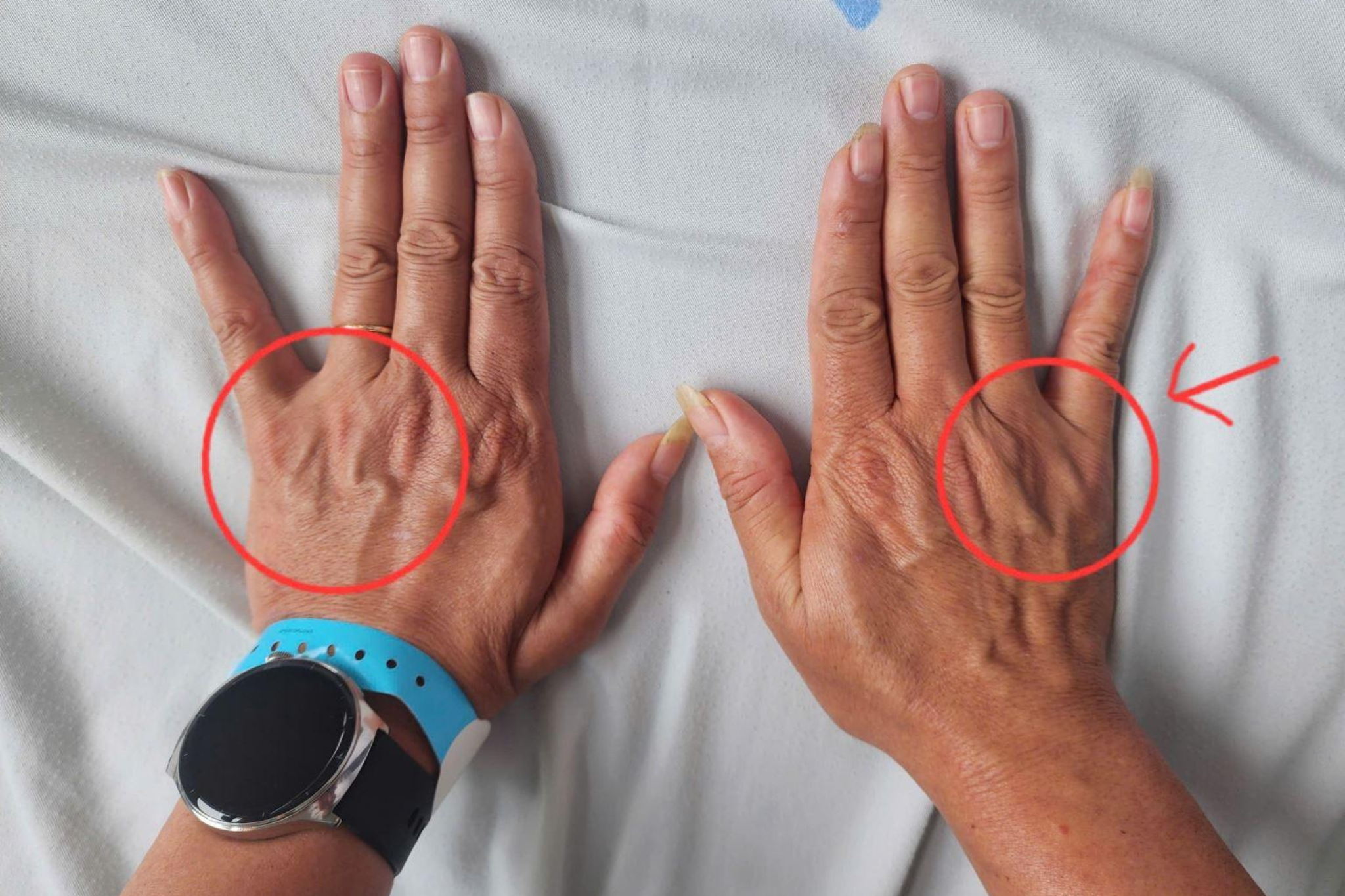
Cubital tunnel syndrome occurs when the ulnar nerve becomes compressed as it passes behind the elbow. This condition can cause numbness, tingling, and weakness in the ring and little fingers.
Symptoms often worsen with prolonged elbow bending and may interfere with hand function.
Treatment includes activity modification, splinting, physiotherapy, and nerve decompression surgery when conservative measures fail.
Interventions
Important Links
Contact Us
Room No: 338, 3rd Floor
Yasodha Hospital
Somajiguda, Hyderabad.
+91 9456002345
drtdrreddy@gmail.com