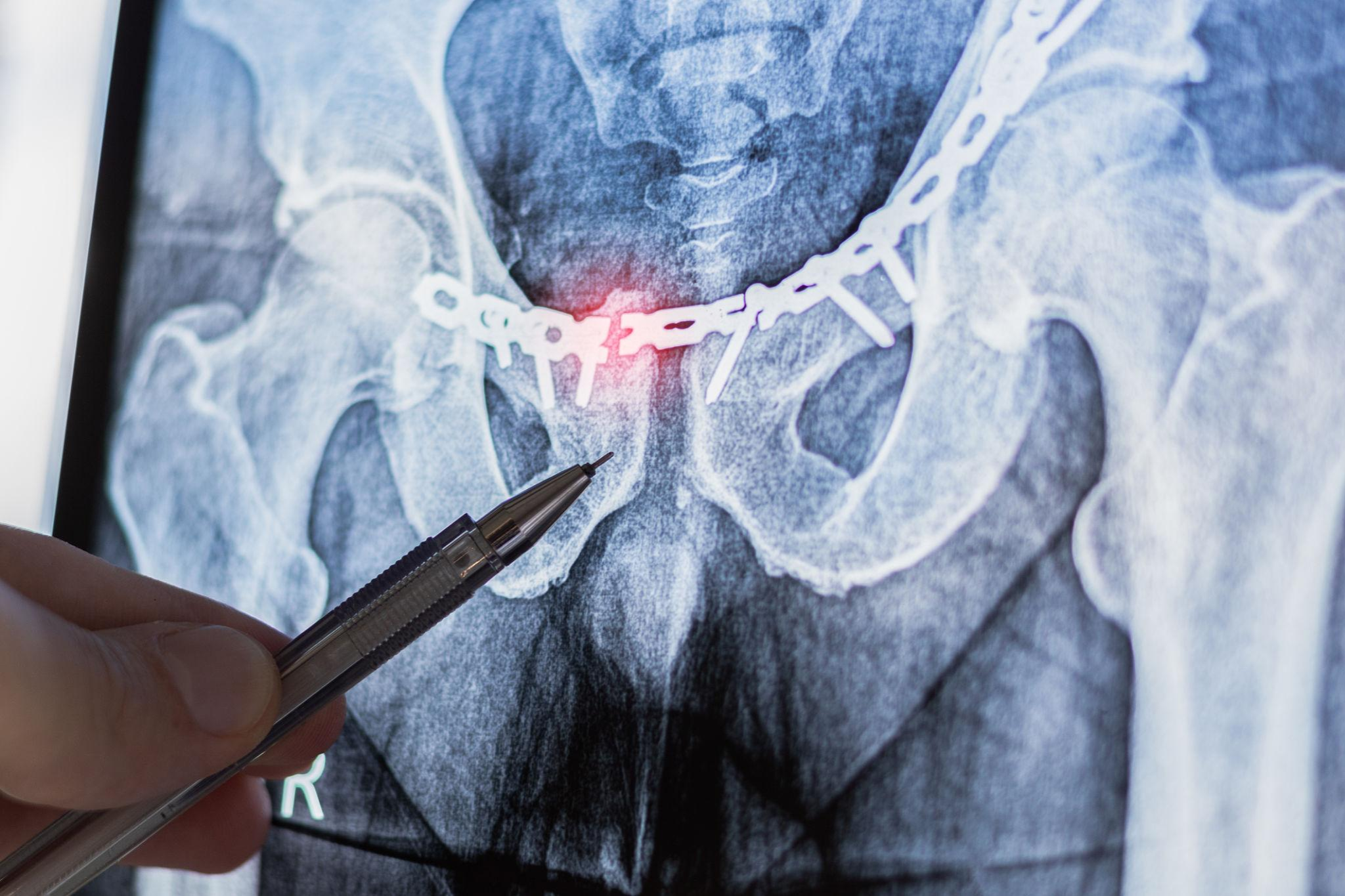
Failed orthopedic cases refer to conditions where a previous orthopedic treatment or surgery has not achieved the desired outcome. Patients may continue to experience pain, stiffness, instability, limited movement, implant-related complications, or difficulty performing daily activities. These situations require a thorough evaluation to identify the underlying cause and determine the most appropriate corrective treatment.
Advancements in orthopedic care have made it possible to successfully manage many failed surgeries through revision procedures, reconstructive techniques, and personalized treatment plans. Early diagnosis and expert intervention can significantly improve function, reduce pain, and restore quality of life.
Failed Fracture Fixation
Failed fracture fixation occurs when a previously treated fracture does not heal properly or the fixation implants fail to provide adequate stability. Common causes include implant loosening, broken hardware, infection, delayed union, or nonunion of the fracture.
Treatment involves identifying the root cause of failure and performing revision fixation using advanced implants, bone grafting techniques, or biological therapies. The goal is to restore bone stability and promote successful healing while minimizing complications.
Nonunion Fractures
A nonunion fracture occurs when a broken bone fails to heal despite adequate time and treatment. Patients often experience persistent pain, swelling, and difficulty bearing weight or using the affected limb.
Management may include revision surgery, bone grafting, biological stimulation, or replacement of existing fixation devices. Modern treatment techniques have significantly improved outcomes for patients suffering from complex nonunion fractures.
Malunion Correction Surgery
Malunion occurs when a fracture heals in an incorrect position, resulting in deformity, pain, limb length discrepancy, or restricted movement. This condition can affect both function and appearance if left untreated.
Corrective surgery involves carefully realigning the bone through osteotomy procedures and stabilizing it using plates, screws, or specialized fixation systems. Proper correction helps restore normal alignment, improve mobility, and reduce long-term joint stress.
Failed Joint Replacement
Although joint replacement surgeries are highly successful, some patients may experience implant wear, loosening, instability, infection, or persistent pain after surgery. These complications can affect the function of the replaced joint and impact daily activities.
Revision joint replacement surgery is performed to remove or replace the failed implant and restore proper joint function. Advanced surgical planning and modern implant technology help achieve better outcomes and long-term durability.
Failed Spine Surgery
Failed spine surgery syndrome refers to persistent or recurrent back pain, leg pain, or neurological symptoms following a spinal procedure. Causes may include recurrent disc problems, scar tissue formation, instability, or incomplete nerve decompression.
A detailed clinical evaluation and imaging studies help identify the underlying issue. Treatment options range from rehabilitation and pain management to revision spine surgery depending on the severity and cause of symptoms.
Complex Trauma Reconstruction
Patients who have suffered severe injuries or multiple failed surgeries may require complex reconstructive procedures to restore function and alignment. These cases often involve bone loss, deformity correction, soft tissue reconstruction, and advanced fixation techniques.
A multidisciplinary approach and personalized treatment plan are essential for achieving successful outcomes in complex orthopedic reconstruction cases.
Recovery After Revision Orthopedic Surgery
Recovery following revision orthopedic procedures varies depending on the complexity of the condition and the type of surgery performed. Patients typically undergo a structured rehabilitation program focused on restoring strength, flexibility, mobility, and function.
Regular follow-up evaluations help monitor healing and ensure the success of the treatment. With expert care and proper rehabilitation, many patients can return to an active and pain-free lifestyle even after a failed orthopedic procedure.
Interventions
Important Links
Contact Us
Room No: 338, 3rd Floor
Yasodha Hospital
Somajiguda, Hyderabad.
+91 9456002345
drtdrreddy@gmail.com